Oct 21, 2026Buying Guides
How to Clean an Automatic Pet Feeder: Complete Maintenance Guide for Hygiene & Longevity
Clean & maintain your Pre‑Paw automatic pet feeder. Step‑by‑step sanitizing tips prevent bacteria, protect pet health and extend feeder life for home & wholesale.


How to Clean an Automatic Pet Feeder: Complete Maintenance Guide for Hygiene & Longevity
Automatic pet feeders bring great convenience for pet owners, multi‑pet households and pet boarding facilities by delivering scheduled portion‑controlled meals. However, leftover kibble dust, oil residue and crumbs easily build up inside hoppers, chutes and bowls, creating breeding grounds for mold and harmful bacteria. For wholesale buyers, feeders with user‑friendly cleaning features lower return rates and customer complaints. This guide focuses on practical cleaning steps, recommended cycles and key tips for Pre‑Paw automatic pet feeders.
Why Cleaning Your Automatic Pet Feeder Matters
Natural oils from dry pet food leave invisible residue on feeder surfaces. Over time, this buildup may trigger digestive issues in cats and dogs such as vomiting or diarrhea. Accumulated food debris can also jam the dispensing rotor, overload the motor and cause feeding malfunctions.
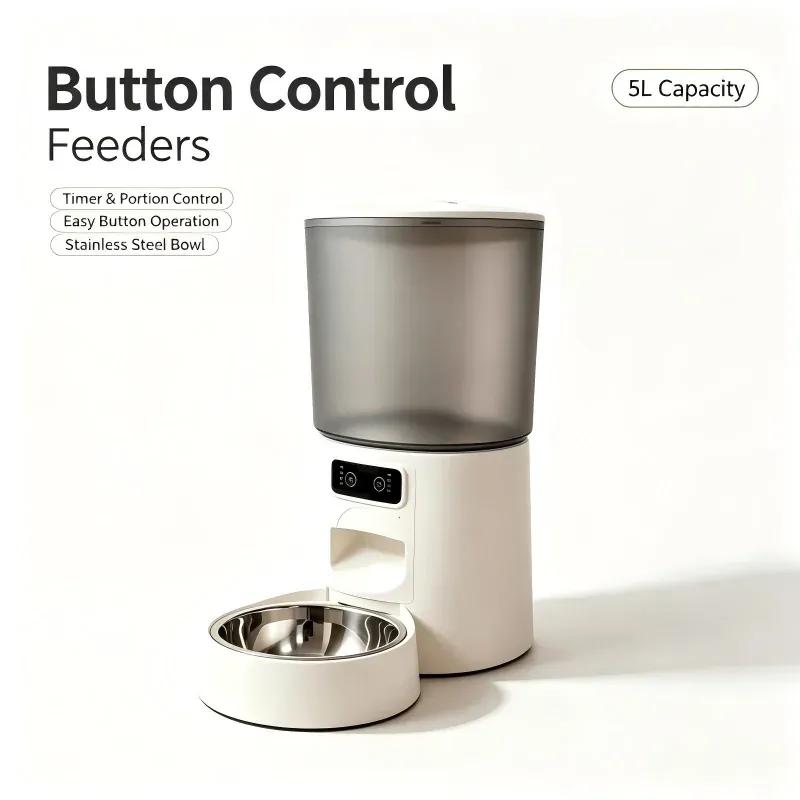
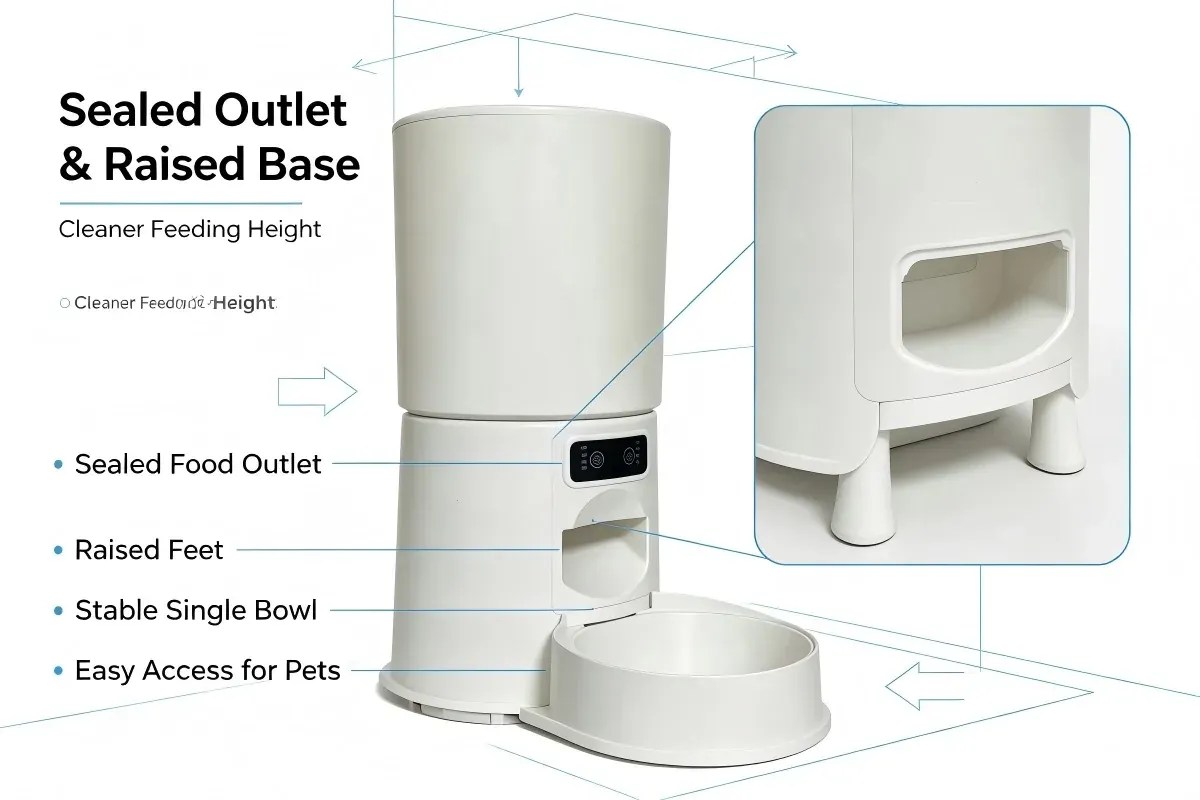
Pre‑Paw feeders (including CW‑W2510 and other series) are built for simple sanitization. Key hygiene‑oriented features include fully detachable food‑contact parts, food‑grade ABS housing, optional 304 stainless‑steel bowls, top‑rack dishwasher‑safe removable components, single‑or dual‑bowl options and airtight moisture‑resistant hoppers. These designs help end‑users complete deep cleaning with less effort.
Recommended Cleaning Frequency
- Daily Quick Clean: Wipe the bowl and food outlet; rinse stainless‑steel bowls with warm water.
- Weekly Light Clean: Take out bowl, hopper lid and tray for soapy‑water washing, suitable for single‑pet homes.
- Bi‑Weekly Deep Clean: Fully disassemble hopper and dispensing rotor. Required for multi‑pet homes, shelters and heavy‑use scenarios.
- Immediate Deep Clean: Disassemble and sanitize right away if you spot moisture, strange odors or switch kibble formulas.
Note: This guide applies to dry‑kibble automatic feeders. Wet‑food devices need cleaning every 2‑3 days due to fast spoilage.
Step‑by‑Step Cleaning for Pre‑Paw Automatic Pet Feeders
⚠️ Critical rule: Never submerge the electronic main base in water.
- Cut off power: Unplug the DC adapter and remove backup batteries to avoid accidental motor startup.
- Empty leftover kibble: Pour out remaining dry food. Discard damp or stale kibble. Take out the desiccant packet inside the hopper lid. Do not wash desiccant; replace it every 30 days.
- Take apart washable pieces: Separate the hopper, feeding bowl, tray and dispensing rotor from the electronic base. Keep the main unit, control panel and power port completely away from water.
- Sanitize removable parts: Hand‑wash with warm water and mild fragrance‑free dish soap; use a soft brush to scrub rotor gaps and inner hopper walls. You can also place these parts on the dishwasher top rack. Rinse thoroughly to remove soap residue.
- Wipe the main base: Use a slightly damp lint‑free microfiber cloth to wipe crumbs off the base surface and button area. Do not spray liquid cleaner directly onto electronics.
- Air‑dry everything completely: Lay all washed components on a clean towel and air‑dry until zero moisture remains. Reassembling damp parts causes mold growth.
- Reassemble and test: Install fully dry rotor, hopper and bowl; insert new desiccant. Restore power and run a manual test feed to confirm smooth rotor rotation before refilling kibble.
Common Mistakes to Avoid
- Do not soak or rinse the electronic base, which will damage circuits and motors.
- Never reassemble damp components.
- Skip bleach and abrasive scouring pads; they scratch plastic and trap more bacteria. Stick to mild dish soap.
- Do not ignore the dispensing rotor — food often gets stuck inside.
- Replace desiccant regularly to keep stored kibble dry.
Simple Preventive Tips
- Only load dry kibble. Do not add wet food or moist treats into dry‑food feeders.
- Place the feeder in cool, dry spots away from direct sunlight.
- Check the hopper weekly for early signs of moisture or mold.
- Wholesale sellers are suggested to attach cleaning reminders with each unit to reduce after‑sales inquiries.
Final Thoughts
Routine cleaning keeps Pre‑Paw automatic pet feeders safe and extends service life. Detachable dishwasher‑safe accessories and optional stainless‑steel bowls simplify daily hygiene work for end consumers. If you want to source durable, easy‑to‑clean automatic pet feeders, Pre‑Paw provides multiple models, customizable OEM / ODM solutions for global business clients.